
Construction and Contracting Processes in Public Buildings
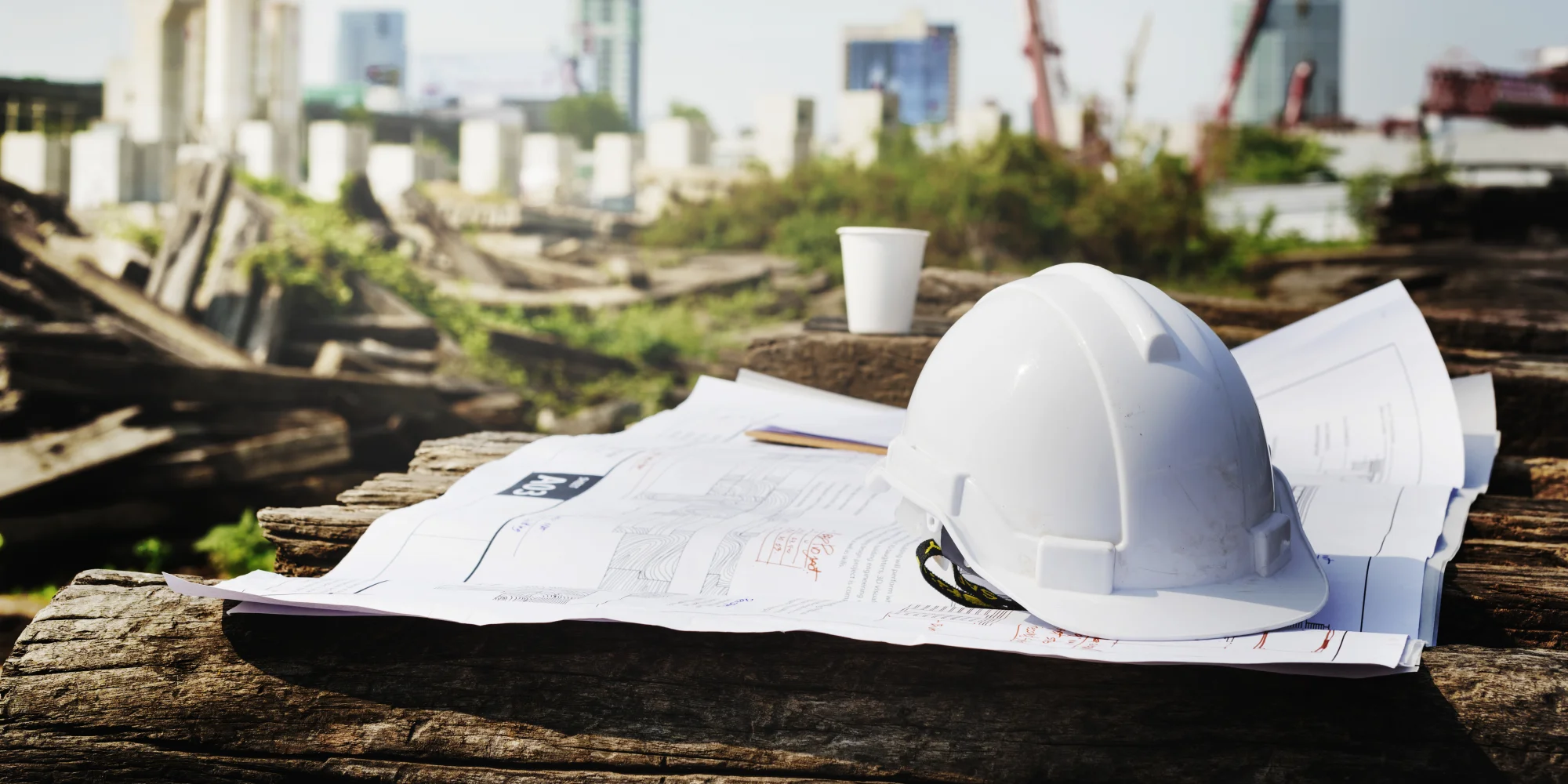
Public buildings are important construction projects that meet the needs of society and contribute to the sustainability of public services. Schools, hospitals, administrative buildings, social facilities, and other public service buildings require the coordinated execution of planning, engineering, implementation, and inspection stages. The effective management of construction and contracting processes is key to completing these projects in accordance with the specified technical requirements, quality standards, and work schedule.
The construction process in public buildings is not simply about completing the physical structure. Determining the project's needs, preparing technical documents, managing tender and contract processes, establishing site organization, and ensuring quality control throughout implementation are also important parts of the process. The harmonious progress of each stage helps ensure the efficient use of time, cost, and resources.
At this point, the technical competence, planning capability, and project management approach of construction and contracting firms come to the fore. In public projects where different engineering disciplines work together, handling processes in a holistic manner and managing implementation in line with project requirements is of great importance.
How Does the Construction and Contracting Process Progress in Public Buildings?
The construction and contracting process in public buildings is shaped according to the scope of the project and the needs of the relevant authority. It generally consists of preparation and planning, tender and contract, field implementation, technical inspection, and delivery stages. Each of these stages contains specific duties and responsibilities for the project to be completed within the targeted scope.
What Projects Do Public Buildings Cover?
Public buildings may cover buildings that serve in various areas such as education, health, administrative services, and social infrastructure. Schools, hospitals, service buildings belonging to public institutions, and social facilities are among the types of structures that can be evaluated within this scope. Additionally, construction works of various scales that support the conduct of public services may also be included within this field depending on the project scope.
The intended use, technical requirements, and operating conditions of each type of building are different. For this reason, the needs of the project must be correctly determined and the design and implementation processes must be shaped according to these needs.
The Role of Contracting Firms in Public Construction Projects
Contracting firms are responsible for carrying out the construction works they undertake within the scope of the contract in accordance with the relevant project documents and technical specifications. This responsibility may cover various activities such as creating the work schedule, site organization, materials and resource planning, coordination of different teams, and monitoring implementation quality.
Depending on the scale of the project, different disciplines such as architectural, structural, mechanical, and electrical may need to work simultaneously. The coordination of these works contributes to the harmonious progress of field implementations with one another.
Field Implementation and Technical Inspection in Public Construction
Field implementation is the stage where the works defined in the project documents are physically carried out. At this stage, site organization, coordination of teams, materials management, and technical inspections are carried out together. The harmonious progress of implementation with the planned scope depends on effective site management.
Site Organization and Management of Work Processes
Site organization covers the proper arrangement of manpower, equipment, materials, and work areas. Carrying out activities in the correct sequence and having a clear division of tasks between teams can increase the efficiency of the daily workflow.
In site management, following the work schedule, recording progress, and sharing encountered problems with the relevant teams is important. This allows the implementation process to be managed in a more controlled manner.
Material Quality and Quality Control in Construction Works
The materials used and the construction activities performed in construction works must meet the technical requirements specified in the project documents. Quality control activities may include evaluating material compliance, checking implementation steps, and maintaining necessary records.
Rather than conducting inspections only at the end of the work, spreading them throughout the implementation process facilitates early detection of non-conformities. Timely evaluation of identified deficiencies and making necessary corrections supports the harmonious progress of the work with quality requirements.
Time, Cost, and Risk Management in Public Buildings
Time and cost management in public construction projects are among the fundamental issues in terms of completing the work under the specified conditions. Early identification of risks that may affect the progress of the project helps use resources more efficiently and make decisions in a timely manner.
Factors That Cause Delays in the Construction Process
Ambiguities in project documents, problems in procurement processes, site conditions, and lack of coordination between disciplines are among the factors that may affect the construction process. Weather conditions or unexpected situations encountered on site can also make it difficult to complete some activities within the planned time.
To reduce such risks, it is necessary to regularly review the work schedule, monitor critical activities, and evaluate alternatives against potential delays.
What to Look for When Selecting a Public Construction and Contracting Firm
In public construction projects, contractor selection should be evaluated by taking into account the technical requirements and implementation conditions of the work. The firm's capacity to plan, manage, and implement the project on site, as well as its tender conditions, is also important.
The Key Elements of a Successful Contracting Process in Public Buildings
A successful construction and contracting process in public buildings requires the joint execution of proper planning, technical competence, interdisciplinary coordination, and regular site inspection. The harmonious alignment of each step, from the tender and contract stage through implementation, quality control, risk management, and delivery processes, supports the project in achieving its goals.
Regular time and cost management, early evaluation of potential risks, and implementation carried out in accordance with technical documents are among the fundamental elements of project management. In addition, ensuring occupational health and safety and completing the necessary documentation at the acceptance stages are also important parts of the process.
Tokdemir Group continues its activities with the experience it has gained since 2013 in contracting projects of various scales, primarily in infrastructure, industrial projects, and public buildings. The group, which continues its work in construction and contracting with its engineering expertise, project management approach, and execution capability, embraces the importance of a coordinated approach in the planning and implementation processes of different project needs.
For more information, contact Tokdemir Group.
